
What it means to adopt a piece of ice
The ice is real and the adoption is symbolic. What you get, what you do not get, how anyone can check a certificate, and what happens on the day an iceberg leaves the list.
By Adoptice · · 2 min read
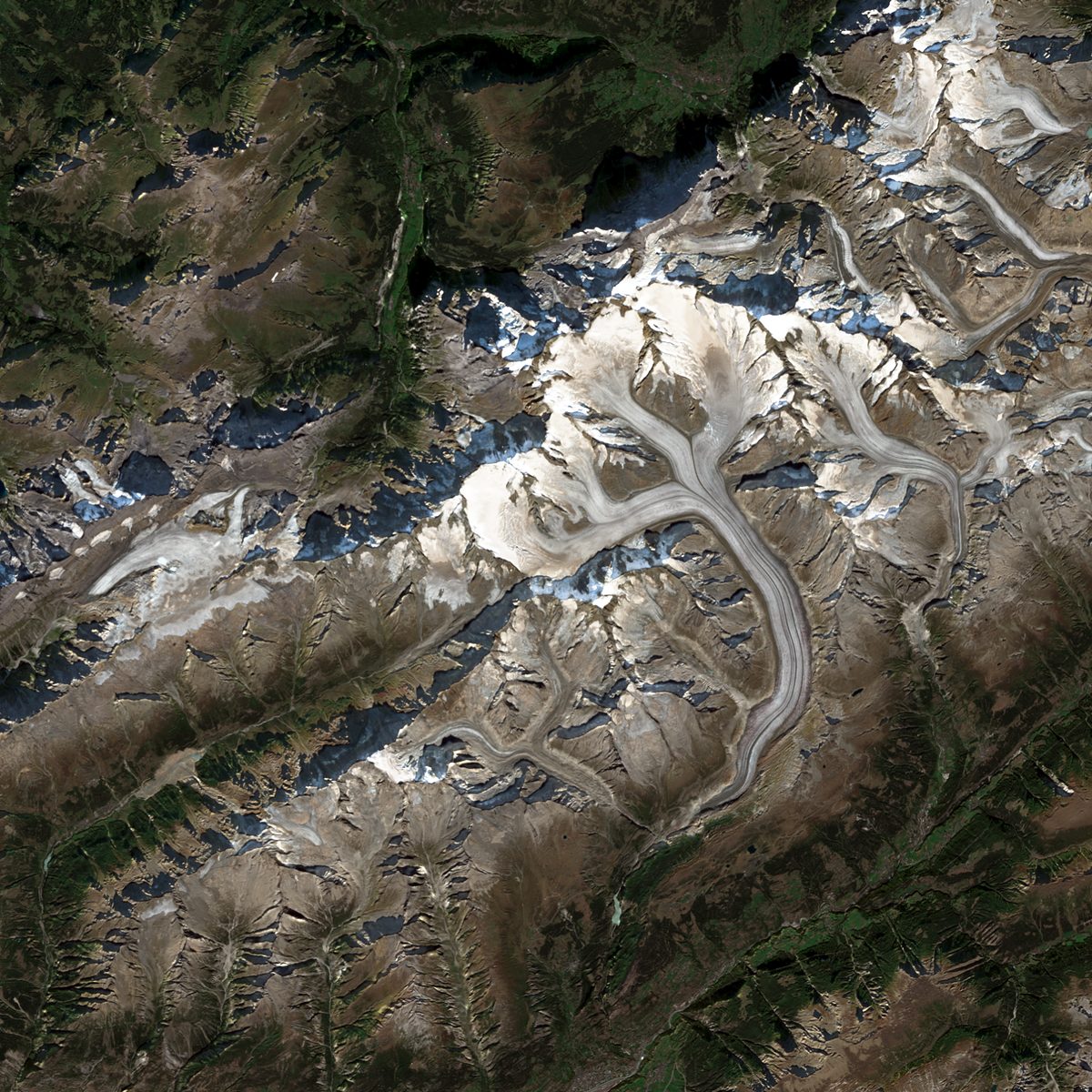
People sometimes ask whether they will own a glacier. They will not, and we say so on every page. This post explains plainly what an adoption is, what comes with it, and what happens at the end.
A symbolic adoption
When you adopt, your name is linked, in our registry, to one real piece of ice. A glacier is one entry of the Randolph Glacier Inventory. An iceberg is one name on the US National Ice Center list of Antarctic icebergs. Position, size and pictures come from those public sources, with their dates.
The adoption itself is symbolic. It gives no legal right over the ice. It is a named, documented connection, not a title deed, not a donation and not an investment. Adoptice is an independent registry and is not connected to NASA, ESA or the US National Ice Center.
Who can adopt what
- A glacier has one adopter at a time.
- An iceberg has two parent places, which are exclusive, and any number of guardians.
- Following a piece is free and gives you a named page for it, but no certificate.
You can give your piece a nickname, which appears on the certificate. You can also hide your first name from public pages at any time. The official name of the glacier or iceberg is never replaced.
A certificate anyone can check
A verified adoption comes with a certificate, as a PDF and as an image. It carries a unique document ID and a QR code. Anyone can enter the ID on the verify page, or scan the code, and see whether the certificate is still valid.
The result shows the status, the document type, the name and code of the piece, the adoption date, and the owner's first name only. If the owner prefers, it says that the name is withheld. It shows nothing else about a person. A certificate can be valid, replaced by a transfer or by a newer version, withdrawn after a refund, or marked as belonging to a piece now in farewell.
The farewell
Ice does not last, and icebergs least of all. Every week the US National Ice Center publishes the list of icebergs it tracks. When an iceberg stays off the list for eight weeks, we say goodbye. Its page becomes a memorial with its last picture and its path, and each adopter receives a certificate of passing.
The list does not say why an iceberg leaves it. It may have broken up, melted or become too small to track, and we cannot always tell which. The memorial says what we know and nothing more. You can see how this looks on the farewell wall. Glaciers change more slowly, but we show what the data says for them too.
Changing your mind
If you ask within 14 days, we refund you, with no questions asked. The details are in the refund policy and the full limits of what an adoption is are in the disclaimer.
If this sounds like something you would like to give or keep, see how it works or look at the prices.
Sources
Find a piece of ice to follow.
Following is free. Adopting gives you a certificate anyone can verify.
More from the blog
· 3 min read
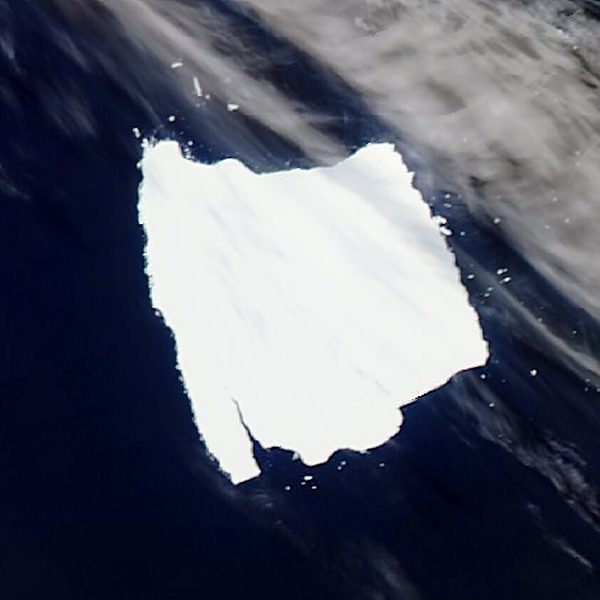
A23A, the iceberg that would not leave
The US National Ice Center listed A23A every week for more than five years. Here is where it went, how its size changed, and what we do not know about its end.
IcebergsFarewell
· 4 min read
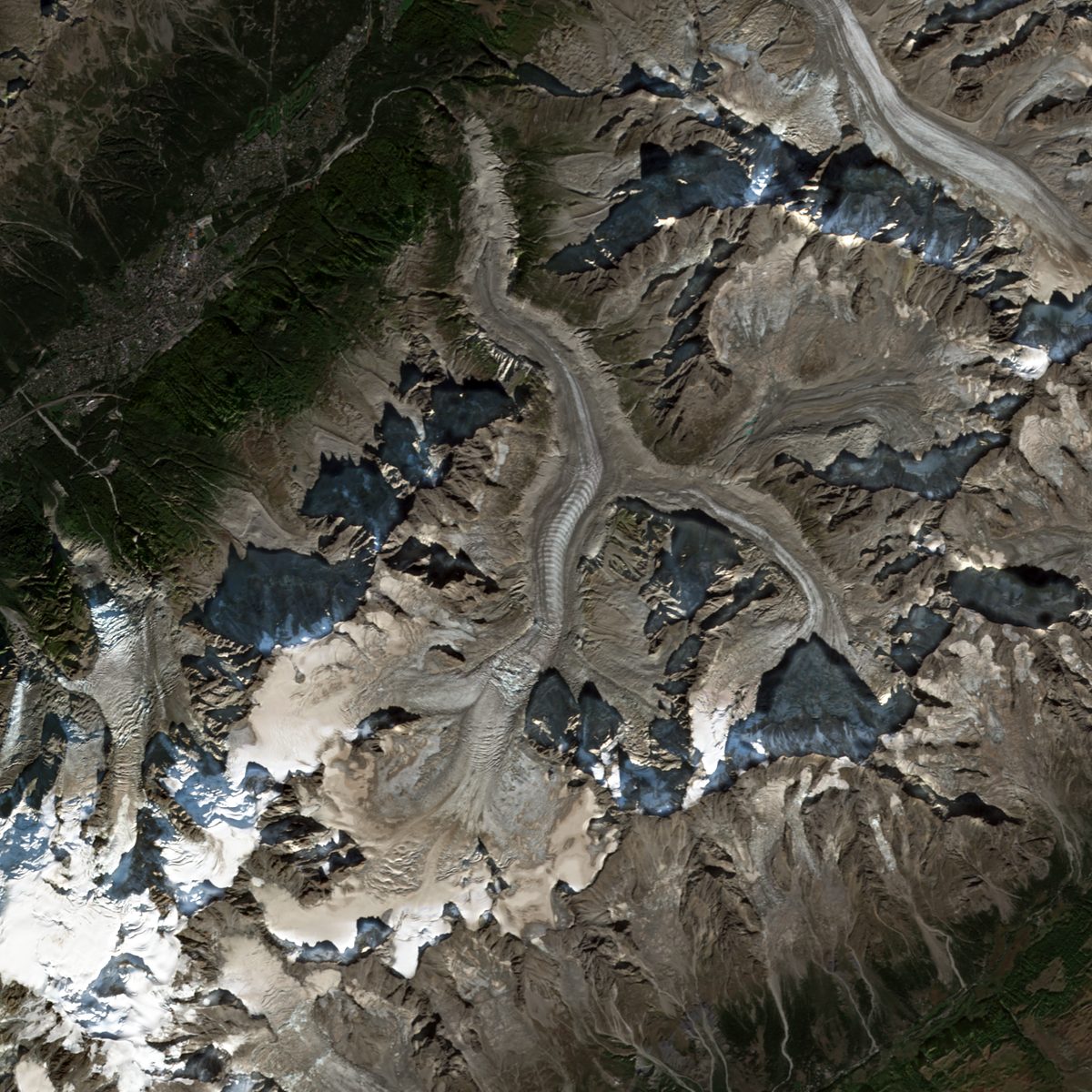
How we picture a glacier from space
Every picture on Adoptice is a real satellite scene, chosen for its clear sky and credited with its date. This is how we choose it, build it, and when we fall back to a coarser one.
ImagesMethod